



Planning a Missouri Hunting Trip Right
- Jonathan Gust
- Jul 6
- 6 min read

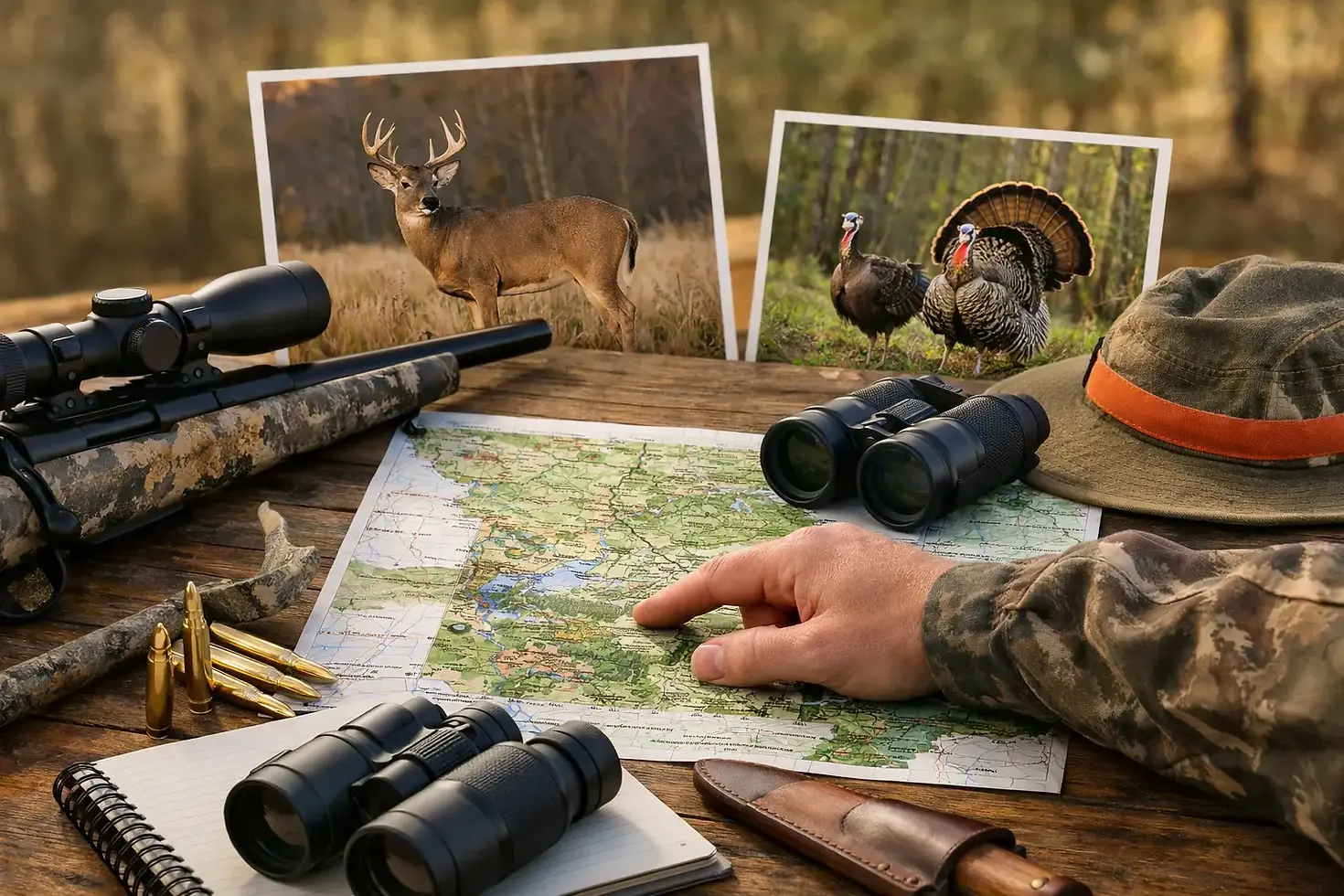
The difference between a good hunt and a wasted week usually gets decided before you ever load the truck. Planning a Missouri hunting trip is not just about marking season dates and hoping the weather lines up. It means choosing the right part of the state, matching your hunt to the season, and making sure the ground, camp, and support actually fit the way you like to hunt.
Missouri gives hunters a real mix of habitat and opportunity. Northern and northwest Missouri, in particular, draw serious attention for good reason. You get a strong blend of timber, crop fields, rolling ground, travel corridors, and managed habitat that can produce the kind of deer and turkey hunts traveling hunters are after. But not every property hunts the same, and not every outfitter runs the same kind of camp. That is where smart planning matters.
What matters most when planning a Missouri hunting trip
Start with the land. A lot of hunters look at photos first, but photos do not tell you how a property hunts under pressure, how access works, or whether neighboring pressure changes movement. Productive Missouri ground is not just pretty ground. You want a mix of cover, food, and terrain that gives animals a reason to stay and a hunter a real chance to move in without burning the place out.
For whitetails, fields next to timber, interior staging cover, creek bottoms, and natural funnels all matter. For spring turkey, the same property needs to offer roosting areas, open strut zones, and enough room to work birds without turning every setup into a long shot or a busted morning. The best trips are built around land that hunts well in real conditions, not land that only sounds good in a sales pitch.
The next factor is pressure. This gets overlooked all the time. A property can hold game, but if too many hunters are rotating through it or if camps are stacked with groups, your odds drop fast. Smaller operations often have an advantage here. Less traffic, more individualized attention, and better control over when and how spots are hunted usually lead to a better overall experience.
That does not mean every hunter needs total seclusion. It means you should know exactly what kind of setup you are booking. If you want a quieter, more focused camp, ask direct questions about hunter numbers, property rotation, and how much ground is assigned per group.
Pick the right season for the hunt you want
One of the biggest mistakes in planning a Missouri hunting trip is talking about "Missouri" like it hunts the same from opener to the end of the season. It does not. Timing changes everything.
Whitetail season timing
If your main goal is to hunt mature bucks, the pre-rut and rut windows get the attention, and for good reason. Deer movement can be more daylight-friendly, and the right cold fronts can make a solid property hunt great. But that also tends to be the most in-demand time. If you want those dates, plan early and be realistic about availability.
Early season can be strong if food patterns are stable and temperatures cooperate, but warm weather can make movement tougher. Late season can also be excellent, especially on properties with dependable food sources, though conditions can get more weather-dependent and deer can be educated by that point. There is no universal best week. It depends on your goals, the specific farm, and how much pressure those deer have seen.
Turkey season timing
Turkey hunters should think less about hype and more about bird behavior. Early season can bring more predictable roost-to-field patterns in some areas. Mid-season often gives you active gobbling and workable birds, though pressure can pick up. Later dates can still produce good hunts, especially when birds start separating and covering ground differently, but by then they may also be more cautious.
A good outfitter should be able to explain how their properties typically hunt during each phase, not just quote general turkey-season talk.
Choose the right hunt style
Not every hunter wants the same level of support. Some want a fully guided hunt from daylight to dark. Others would rather have local knowledge, a good stand location, solid camp, and enough freedom to hunt without somebody at their shoulder every minute.
That is why hunt style matters just as much as location. A semi-guided setup makes sense for a lot of traveling hunters because it gives you structure where it counts and freedom where it matters. You get local scouting knowledge, access planning, and support from experienced people who know the farms, but you still get to hunt like a hunter, not like a passenger.
For many groups, that is the sweet spot. You are not spending months trying to secure private access, figure out food, and piece together lodging. At the same time, you are not stepping into a crowded, overproduced camp where everything feels rushed or generic.
Don’t treat lodging and meals like an afterthought
A lot of hunters say they only care about the hunt, and that is fair up to a point. But camp still matters. If you are traveling in from out of state, a clean place to sleep, a solid meal, and a straightforward routine make a difference by day two and day three.
Good lodging does not have to be fancy. It has to work. You want a place where hunters can rest, dry gear, eat well, and get back at it without dealing with chaos. Meals matter for the same reason. If camp logistics are sloppy, the whole trip feels longer and harder than it should.
This is one reason destination hunts are often worth the money when they are run right. You are not only paying for access. You are paying to remove friction from the trip so your time and focus stay on the field.
Ask better questions before you book
When comparing outfitters or deciding whether a Missouri hunt is worth the travel, ask practical questions. How many hunters are in camp at one time? How much guide support is included? What does a normal day look like? How are stands or setups assigned? What happens if weather changes patterns? What is included with lodging and meals, and what are you expected to bring?
Also ask how the operation handles expectations. A dependable outfitter will talk honestly about what the ground offers, how hunts are structured, and what kind of effort the hunt requires. Be careful around anyone who talks only in guarantees, giant photo claims, or broad promises without explaining the system behind the hunt.
Straight answers usually point to a better camp.
Planning travel and gear without overcomplicating it
Traveling hunters often make one of two mistakes. They either underpack and end up borrowing half their camp setup, or they bring every piece of gear they own and spend the trip managing clutter. Missouri weather can shift fast, especially in deer season, so build around layers, dependable outerwear, and boots that are already broken in.
For deer, think about cold sits, wind changes, and quiet access. For turkey, think mobility, weather swings, and keeping your calling and setup gear simple. If your hunt includes local support, ask ahead of time what is already covered and what is not. That saves room, cuts stress, and keeps you from bringing gear that just stays in the truck.
Travel timing matters too. If possible, give yourself enough time to arrive, settle in, and look over the plan without feeling rushed. Starting a hunt tired and disorganized is a bad trade before the first morning even starts.
Why smaller camps often hunt better
There is a reason many experienced hunters prefer smaller operations once they have tried both. The biggest advantage is not comfort. It is attention.
A smaller camp can usually adapt faster to conditions, spend more time on real hunt planning, and avoid that assembly-line feel some larger outfitters fall into. If a property needs to rest, if a stand needs to change, or if one group needs a different approach, there is more room to make the call without forcing everybody into the same plan.
That kind of setup fits Missouri well, especially on managed private ground. It keeps the hunt personal and keeps pressure more controlled. For hunters who care about authentic land, practical support, and a camp that does not feel overcrowded, that difference shows up quickly.
That is also why a smaller operation like Missouri Outfitters MCCO appeals to traveling hunters who want real Missouri terrain, veteran support, and a hunt that stays focused on the field instead of camp traffic.
The best trips are built on clear expectations
A Missouri hunt can be excellent, but the best trips usually come from hunters who match the trip to what they actually want. If you want mature buck potential, be honest about weather, timing, and patience. If you want a strong turkey hunt, be honest about mobility, calling style, and how much structure you prefer. If you want comfort, support, and good ground without the feel of a big commercial camp, factor that in early instead of treating it like a bonus.
Good planning does not guarantee a punched tag. No honest outfitter should say it does. But it gives you a better hunt, a smoother camp, and a far better shot at spending your time where it counts - on productive Missouri ground with a plan that makes sense.
If you are going to make the trip, make it for the right land, the right season, and the right kind of camp.


Comments