



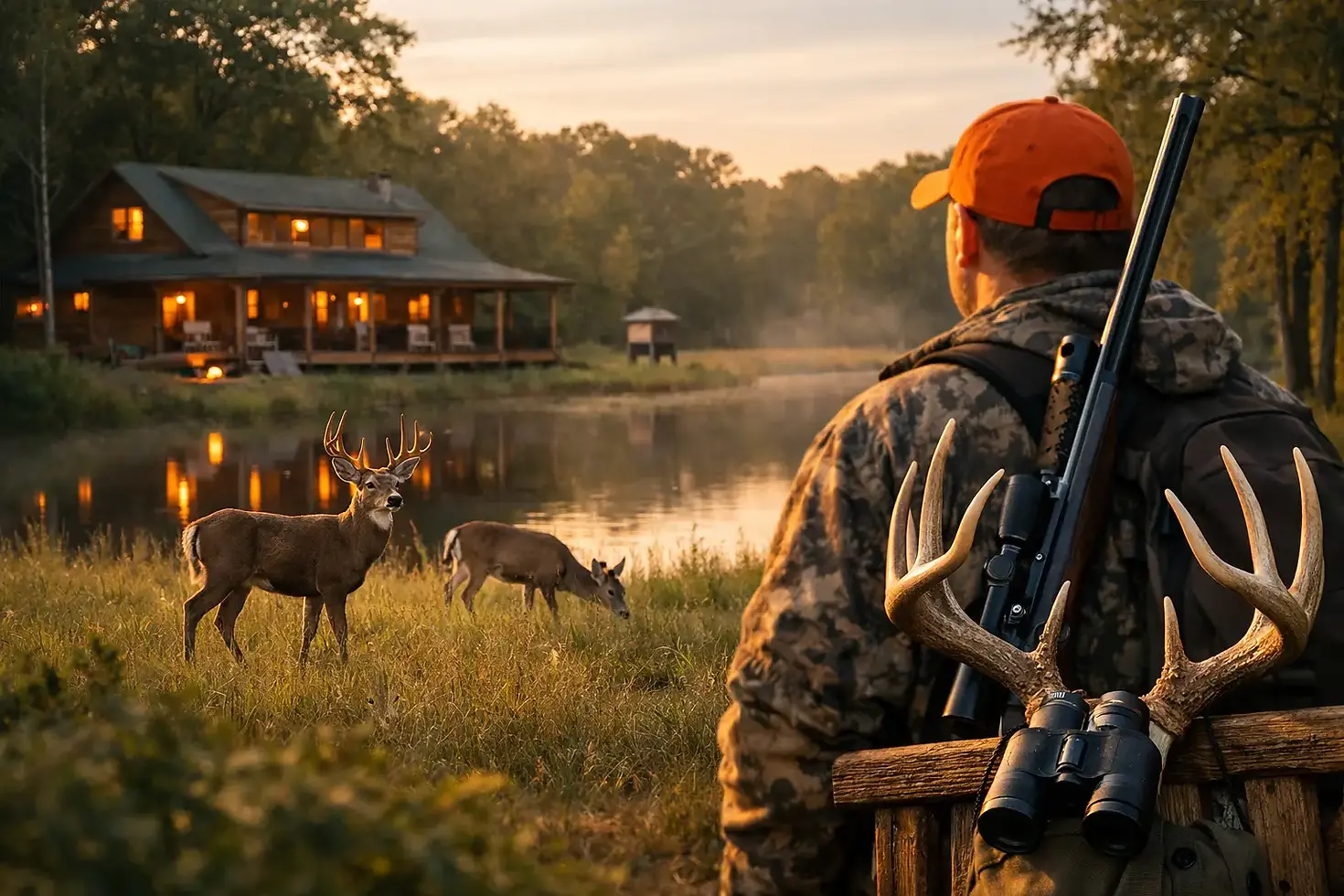
Choosing a Deer Hunting Lodge Missouri

A good deer hunting lodge Missouri hunters will actually want to return to is not built around fancy extras. It starts with the land, the way the hunt is managed, and whether the camp helps you stay focused on the reason you came - to hunt hard on productive ground without dealing with chaos, crowds, or wasted time.
That matters more in Missouri than a lot of hunters realize. This state offers real whitetail country, but not every lodge experience is the same. Some operations lean too hard on marketing. Some pack in too many hunters. Some call it guided when the support in the field is thin and the lodging is an afterthought. If you are spending time and money on a destination hunt, you need to know what separates a solid camp from one that just rents beds and points you toward a stand.
What makes a deer hunting lodge in Missouri worth booking
The best deer lodges are built around a simple idea: make the hunting better, not busier. That means the lodge is there to support the hunt, not distract from it.
For most traveling hunters, the value of a lodge starts before daylight. You want a place that is close to the hunting ground, organized enough that mornings run clean, and comfortable enough that you can rest, eat, and get back out without extra hassle. If camp is too far from the properties, if meals are hit or miss, or if the whole setup feels like a revolving door of strangers, it wears on the trip fast.
A good lodge also tells you something about the outfitter behind it. If they pay attention to where hunters sleep, eat, and regroup, they usually pay attention to stand access, wind planning, property pressure, and recovery too. Sloppy camp often points to sloppy hunting management.
Land matters more than the lodge itself
A lot of hunters start by looking at pictures of bunk rooms, kitchens, and common areas. That is understandable, especially if you are traveling from out of state. But a deer hunting lodge Missouri outfitter promotes should always be judged by the ground first.
Northern and northwest Missouri have the mix serious whitetail hunters look for - crop fields, timber, creek bottoms, transitions, and rolling terrain that gives deer secure movement and good age structure when pressure is handled right. If the land is managed well and the hunter numbers are controlled, that is what gives a camp its value.
A comfortable lodge on weak ground is still a weak hunt. On the other hand, a clean, practical lodge tied to well-managed private land can make a trip feel efficient from start to finish. That is the balance serious hunters should want. You are not booking a resort. You are booking a hunting experience, and the lodge should support that standard.
The right setup is usually semi-guided
For many deer hunters, semi-guided camps hit the right middle ground. You get support from people who know the farms, deer movement, access routes, and pressure points, but you still get room to hunt for yourself. That appeals to hunters who do not want to be micromanaged all day and do not want to feel like they are on a conveyor belt hunt.
Semi-guided only works when the outfitter is prepared. Stands need to be placed with a reason. Access needs to be thought through. Property assignments need to make sense for wind, timing, and hunter ability. If the operation is small enough to give each group real attention, the experience usually feels more honest and more effective.
What serious hunters should look for in camp
The best camps are not always the flashiest. They are the ones that solve the real problems traveling hunters deal with.
Lodging should be clean, warm, and set up for hunters, not tourists. You need room for gear, a good meal after the hunt, and enough comfort to recover for the next sit. Meals matter too, not because anyone expects luxury, but because solid food keeps the trip running. When meals are included and handled well, it removes one more piece of planning from the hunter's plate.
Guide support should be practical. That means local knowledge, straight answers, and help when it counts. Hunters do not need a sales pitch in camp. They need useful direction about stand choice, current movement, entry routes, and what the deer are doing under present conditions.
Hunter numbers are another major factor. Overcrowding ruins more deer hunts than bad weather. Too many boots on a property, too many trucks at camp, and too much rotation through the same stands all add pressure where mature bucks feel it first. Smaller operations usually do a better job here because they are not trying to fill every bed at any cost.
Questions worth asking before you book
Before booking any lodge hunt, ask how many hunters are in camp at one time, how properties are assigned, what guide support actually includes, and how far the lodge is from the hunting ground. Ask whether meals are included, what the sleeping arrangements are, and how recovery is handled after the shot.
You should also ask how the outfitter manages pressure across the season. Good deer country can be hunted into the ground if too many people are cycling through it. The answer you want is not hype. It is a clear explanation of how they keep properties productive.
Why smaller Missouri lodges often hunt better
There is a reason experienced hunters tend to favor smaller camps. In a small operation, the details usually stay tighter. The guide knows who is in camp, what each hunter is after, what stands have been hunted, and what changes need to be made based on wind or movement.
That kind of attention is hard to fake. It comes from staying relationship-driven and keeping the operation at a size the outfitter can actually manage well. The result is usually a better hunt and a better camp atmosphere. Hunters get more room, more direct communication, and less of the crowd feeling that turns a hunt into a transaction.
That does not mean every small camp is great or every larger outfitter is poor. It means smaller camps often have a better chance of protecting what matters most - low pressure, good preparation, and a personal level of service that helps hunters settle in and focus.
Missouri terrain changes the lodge experience
Missouri is not one-note whitetail country. The mix of ag ground, timber, edge habitat, and rolling topography affects how hunters move, how stands are accessed, and how a camp should be organized.
That is one reason local knowledge matters so much. A lodge tied to real hunting ground in this part of the state should operate with the terrain in mind. Travel routes to stands need to make sense. Morning departures need to be efficient. Midday adjustments should reflect what deer are doing on these farms, not what worked somewhere else.
When the people running camp know the ground well, the whole trip feels smoother. Not fancy. Just well run. That is what most serious hunters want.
The best deer hunting lodge Missouri hunters choose feels practical
Practical is not a weak word in this business. It is one of the strongest compliments a hunting camp can earn.
A practical lodge gives you a clean place to stay, good meals, dependable support, and access to managed ground with real whitetail potential. It does not waste your time. It does not overpromise. It does not crowd the farm or the camp. It helps you hunt hard and recover well enough to do it again the next day.
That is the standard many hunters are after when they look at destination camps in this state. They are not chasing luxury. They are looking for a place where the land is right, the people know what they are doing, and the lodging makes the trip easier instead of harder.
For hunters comparing options in northern and northwest Missouri, that is where the decision should land. If a lodge is attached to good ground, supported by veteran guidance, and run with the kind of attention that comes from staying small, it gives you a better shot at the kind of hunt worth taking every season. Missouri Outfitters MCCO fits that model because the focus stays where it should - real Missouri ground, practical camp comfort, and a hunt built for hunters who care more about doing it right than dressing it up.
When you are weighing your next trip, choose the camp that respects your time in the field. That is usually the one worth coming back to.


Comments