



A Group Hunting Trip Example That Runs Smooth

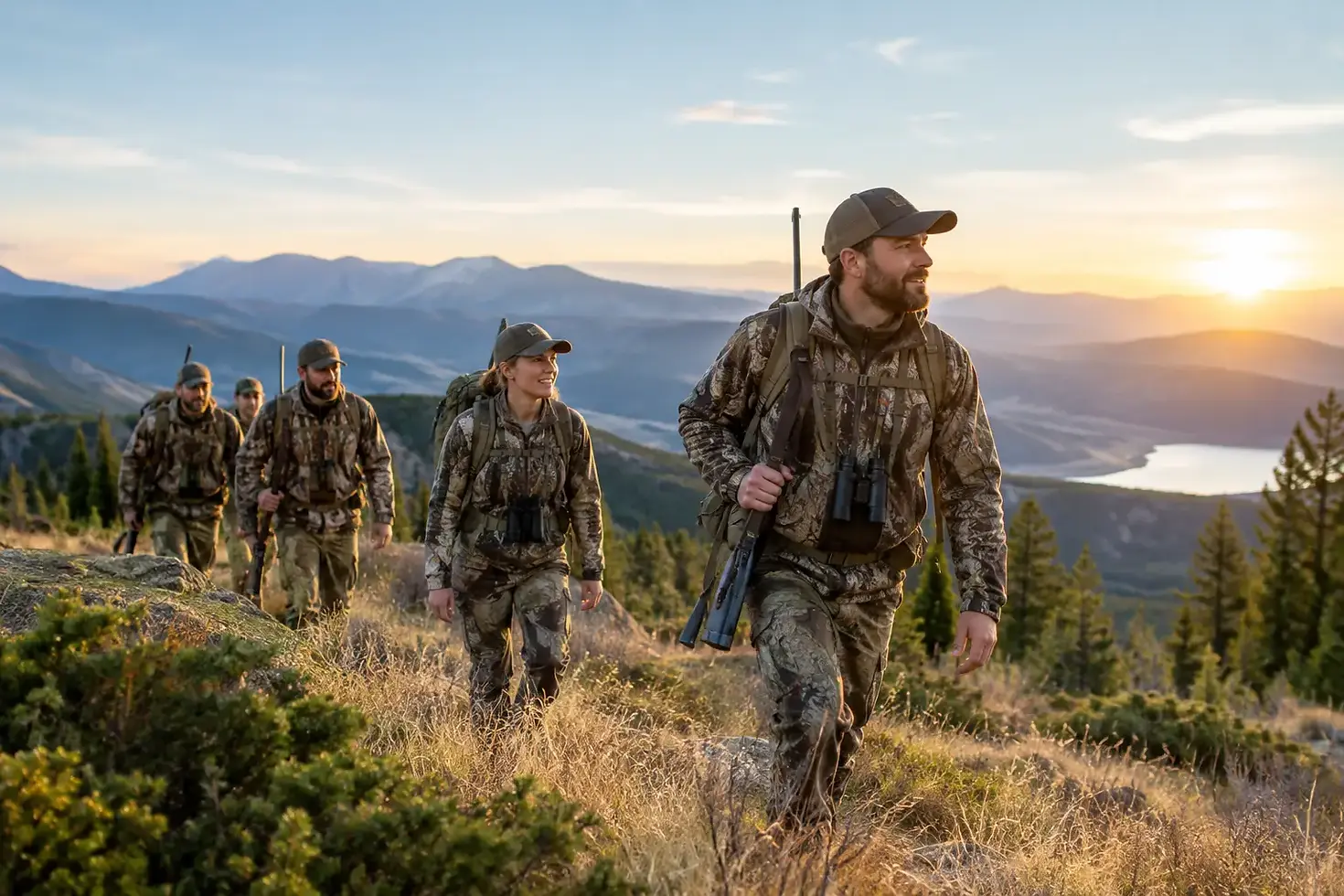
A good group hunt is not just a few buddies picking a date and hoping the rest works out. This group hunting trip example shows what a well-planned Missouri deer or turkey camp can look like when the details are handled before anyone heads down the road.
The goal is simple: spend less time sorting out beds, meals, property rules, and stand locations, and more time hunting good ground. That takes a little planning from the group and clear communication from the outfitter.
A Group Hunting Trip Example for Four Hunters
Picture four hunters traveling to northern Missouri for a five-day whitetail hunt. Two are experienced bowhunters who have hunted destination properties before. One has taken several good bucks on his home ground but has never hunted Missouri. The fourth hunter is capable and prepared, but he mainly wants a straightforward camp where he can learn the property, hunt hard, and enjoy the trip with friends.
They drive in on a Saturday afternoon, arrive with licenses, tags, weapons, clothing, and personal gear ready to go, and settle into onsite lodging. Supper is on the table that evening. Afterward, the group meets with a veteran guide to go over current deer movement, wind direction, access routes, property boundaries, and the plan for the morning.
Nobody is promised a particular buck. That is not how honest hunting works. What they receive is a prepared place to hunt, a clear plan, and support from people who know the ground.
The first night sets the tone
A productive camp starts with a short, direct orientation. Hunters should know where they are sleeping, where gear can be stored, when meals are served, and what time everyone needs to be ready each morning. They also need to understand the safety rules, check-in process, and what to do after a shot.
For this four-man group, the guide assigns separate areas rather than stacking everyone on the same field edge. One hunter gets a timber funnel connecting bedding cover to a food source. Another hunts a stand overlooking a narrow creek crossing. The other two are placed near different agricultural fields, with access routes that keep their wind and movement away from the areas they expect deer to use.
That separation matters. A group can ruin good hunting quickly if every member walks the same trail, parks in the same spot, or decides to scout during prime movement. A small operation with managed properties has room to put hunters in position without turning camp into a crowded public-land parking lot.
What Each Day Looks Like
The hunters are up early, eat breakfast, check the weather, and head to their assigned areas with enough time to get settled before shooting light. The guide may make an adjustment based on a wind shift, fresh sign, recent trail camera information, or activity seen the evening before. Semi-guided does not mean dropped off and forgotten. It means hunters have the freedom to hunt while experienced local support remains available.
After the morning sit, the group returns for lunch and compares notes. One hunter saw does filtering through the timber. Another watched a young buck work a scrape line. A third saw nothing but found fresh tracks near his stand. The fourth passed a small buck and now knows where several does entered the field.
That information is useful, but it should not turn into four hunters roaming the property all afternoon. The guide takes the reports, considers the wind and the property plan, then recommends whether hunters should stay put or move. Sometimes the right call is to hunt the same stand again. On other days, a cold front, changing wind, or new deer movement makes a move worthwhile.
Evenings are handled the same way: hunt hard, return safely, eat a solid meal, and make the next morning's plan. This rhythm removes the usual travel-hunt headaches. No one is trying to find a restaurant at 9 p.m. No one is debating which motel has a place to park a truck and trailer. Camp is close, meals are handled, and the group can keep its attention on the hunt.
Clear Roles Keep a Group From Getting Disorganized
A successful group does not need a complicated chain of command, but one person should handle the booking and travel details. That person confirms dates, payment schedules, arrival time, licenses, and the number of hunters in camp. He also makes sure the group understands what is included and what each hunter needs to bring.
The group should also agree on hunting expectations before the trip. Are all four hunters focused on mature bucks? Is one member happy taking a doe if the season and property rules allow it? Is someone bringing a first-time turkey hunter who may need more help getting set up? Those conversations are better had at home than in the truck after the first slow morning.
For a whitetail hunt, every hunter should be honest about shot distance, weapon setup, and how much walking he can handle. For spring turkey, the important questions change somewhat. Who is comfortable calling? Who wants to run and gun? Who would rather sit over a field edge or travel corridor? A group with different experience levels can still hunt well together, but only if the plan respects those differences.
Lodging and Meals Are Part of the Hunt
Some hunters hear “lodging and meals included” and treat it like a minor extra. On a destination hunt, it is part of the operation. A clean place to sleep, hot food, coffee before daylight, and room to dry clothing can make a long week far more productive.
After two wet days in the deer woods, a hunter needs a place to hang outer layers, clean boots, recharge equipment, and get real rest. After a morning turkey hunt followed by an afternoon move, he needs food nearby instead of a long drive into town. Comfort does not make the hunt less authentic. It keeps hunters ready to hunt when conditions turn right.
At Missouri Outfitters MCCO, that practical camp setup is part of the semi-guided experience. The focus stays on real Missouri terrain, managed ground, and a camp that works for hunters rather than a high-volume operation trying to move people through as fast as possible.
When the Plan Needs to Change
No group hunting trip follows the original plan perfectly. A strong north wind may make one set of stands better and another unusable. Heavy rain may affect access. A turkey group may hear birds on one ridge at daylight, then find them somewhere entirely different after fly-down.
This is where groups need to avoid forcing the issue. If the wind is wrong, do not hunt a favorite spot just because it looked good on a map. If a buck is using a field only after dark, pressure around the field edge may not solve the problem. If turkeys are henned up, calling louder is rarely the answer.
A good outfitter provides local knowledge, but hunters still need patience and discipline. Follow access instructions. Keep noise down around lodging before early mornings. Do not take shortcuts across a field because it saves five minutes. Small mistakes have a way of becoming a long, quiet sit.
A Better Way to Plan Your Own Group Hunt
Start with the dates and the kind of hunt your group actually wants. Early-season deer, the rut, late-season food patterns, and spring turkey hunting all offer different conditions. The best date is not always the one with the biggest reputation. It is the one your group can commit to, prepare for, and hunt seriously.
Then look for an outfitter that can explain the ground, camp setup, hunt structure, and group size plainly. Ask whether your group will have room to spread out, how stand or area assignments work, what guide support looks like, and what happens after a shot. Straight answers are worth more than big claims.
Finally, make sure every hunter arrives prepared to carry his share of the trip. Bring proven gear, practice before travel, respect the property, and stay flexible when conditions call for a change. The best group hunts are built around good ground and good people, then given enough structure to let the hunting take over.


Comments